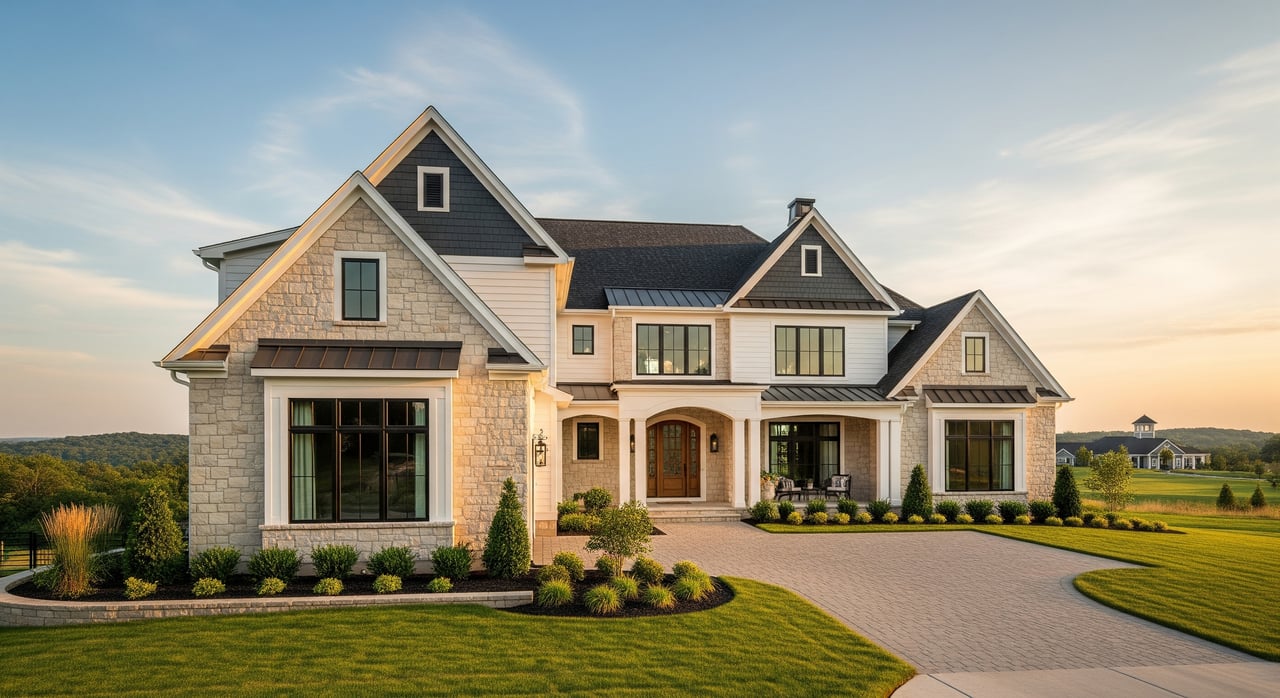
Curious if a new build near Regency at Dominion Valley is right for you? You are not alone. Many 20169 buyers are weighing fresh floor plans, builder incentives, and longer timelines against move-in-ready resale options. In this guide, you will learn what local builders are offering, how pricing and incentives really work, and how to compare new construction to resale in Haymarket. Let’s dive in.
Why 20169 buyers consider new builds
Haymarket sits on the outer edge of the Washington-Arlington-Alexandria metro, with access to I-66 and Route 15. That mix of commute access and relative affordability draws move-up buyers and anyone seeking a bit more space. New construction here competes with resale homes across Prince William and nearby Loudoun, so you have choices. Recent rate shifts have also kept builder incentives in play, which can help your budget.
What today’s floor plans include
Versatile spaces
Many plans feature a dedicated home office, a flex room that can shift with your needs, and upstairs lofts for work or play. These spaces reflect the ongoing demand for working and learning at home. They also help with long-term flexibility if your needs change.
Main-level living
You will see options with an owner’s suite on the main level and single-floor living in age-targeted or lifestyle communities. These layouts appeal if you want fewer stairs and long-term comfort. They can also support multigenerational living with privacy.
Open kitchens and storage
Expect large kitchen islands, open flow to dining and family rooms, and expanded pantries. These features remain standard across most new communities. The goal is easy entertaining and everyday function.
Outdoor living
Covered porches, expanded patios, and outdoor kitchens are common options. Builders market these areas as an extension of the home. If you enjoy fresh air and easy hosting, plan for this in your budget.
Energy and smart features
High-efficiency HVAC, heat pump options, improved insulation, and electrical setups for EV chargers are widely available. Basic smart systems, including thermostats and garage openers, often come standard or as packages. These features can lower operating costs and add convenience.
Interior finishes
Quartz countertops, luxury vinyl plank on main levels, larger format tile, and upgraded shower packages are common design-center picks. These choices can add up, so set a clear upgrade budget early.
Lot sizes and placements near Haymarket
Lot sizes vary by community and phase. In denser subdivisions, many detached homes sit on about 0.15 to 0.35 acre. At the exurban edge, you may find estate-style lots around 0.5 to 1 acre or more. Premiums for larger lots, cul-de-sac locations, or rear-facing open space are typical.
Builders price lots by location, orientation, and access to utilities. If a particular view or privacy matters to you, plan for a higher lot premium. Always confirm the exact dimensions and write the lot details into your contract.
Pricing and the true cost
The published base price rarely includes everything you expect. Your final cost typically includes:
- Lot premium based on size and location
- Structural options such as bump-outs or extra windows
- Design upgrades for kitchens, baths, flooring, and lighting
- Site costs like grading or rock removal, plus utility hookups
- Fees, including HOA initiation and impact-related items, where applicable
Many buyers spend an additional percentage of the base price at the design center. To stay in control, prioritize structural choices first, then allocate finishes within a firm cap. Document each selection and its price in writing.
Incentives and how to use them
Builders adjust incentives based on demand and interest rates. Common offerings include closing-cost credits, temporary or permanent rate buydowns, design packages, and flexible deposits. You may see stronger incentives when there is more spec inventory or longer sales timelines.
- Rate buydowns: A temporary 2/1 buydown reduces payments for the first two years, while a permanent buydown lowers your rate for the life of the loan. The right choice depends on how long you plan to keep the mortgage.
- Closing-cost credits: These can offset cash to close, but ask how they interact with lender rules. Confirm whether the credit is a seller concession or a price reduction.
- Preferred lender: Builder incentives may require using their lender. Compare the net effect to other lenders before deciding.
Timelines and schedule risk
Spec homes can close in a few weeks to a few months. A build-to-order home often takes 6 to 12 months or more, depending on labor, weather, materials, and permits. Delays can happen, so plan for overlap if you are selling another home.
Local rules may allow you to move in before every item is complete. Expect a punch list process after closing to handle small fixes. Keep a shared list with the builder and set clear follow-up dates.
New build vs. resale in 20169
Both paths can work. The best choice depends on your timing, budget, and plans.
- New construction pros: customization, modern systems, energy efficiency, and warranties that lower short-term maintenance
- New construction cons: higher total cost once options and lot premiums are included, longer timelines, and potential resale premium erosion if you overbuild for the area
- Resale pros: faster closings, mature landscaping, and pricing anchored to neighborhood comps
- Resale cons: possible higher maintenance and fewer modern features unless recently renovated
If you plan to stay 10 years or more, the comfort and efficiency of a new build can justify premiums. If you expect to sell sooner, keep upgrades conservative and track the resale ceiling with recent comps.
Buyer checklist for Haymarket new builds
- Timeline: Can you wait 6 to 12 months, or do you need a spec or resale?
- Budget: Include base price, lot premium, options, closing costs, and HOA fees.
- Lot choice: Confirm exact dimensions, orientation, and any special site costs.
- Incentives: Ask for current credits, rate buydowns, and deposit flexibility.
- Inspections: Schedule independent pre-drywall and final inspections.
- Appraisal: Avoid upgrades that push price far above recent neighborhood sales.
- Warranty: Understand coverage for workmanship, systems, and structure.
HOA and community costs
HOA dues, capital contributions, and amenity fees vary by community. Ask what dues cover, how often they are assessed, and whether any special assessments are planned. Review reserve funding and maintenance responsibilities. Confirm rules that affect outdoor living plans, EV charging, or solar.
How a local advisor helps
A local, builder-savvy agent can compare new phases to nearby resales, track incentives, and align your timeline with your financing and sale plans. You also gain help reading builder contracts, managing selections, and protecting appraisal value. That support can keep your budget, schedule, and stress in check.
If you are thinking about a new build near Regency at Dominion Valley, let’s talk through your options. Connect with Shannon Sheahan to schedule a consultation.
FAQs
What lot sizes are common near Regency at Dominion Valley?
- In nearby Haymarket communities, many detached homes sit on about 0.15 to 0.35 acre, with some estate-style options around 0.5 to 1 acre or more depending on the subdivision.
Which new-build features are most popular in Northern Virginia?
- Buyers often choose flexible spaces for offices, open kitchens with large islands, outdoor living, energy-efficient systems, and basic smart-home packages.
How long does a new home take to build in Prince William County?
- Spec homes may be ready in weeks or a few months, while build-to-order plans often run 6 to 12 months or more depending on labor, materials, weather, and permits.
How do builder incentives work in today’s market?
- Incentives commonly include closing-cost credits, temporary or permanent rate buydowns, design packages, and flexible deposits, with offerings shifting based on demand and inventory.
Should I use the builder’s preferred lender?
- You may receive extra incentives for using the builder’s lender, but you should compare the total package, including rate and credits, to independent lenders before deciding.
Will all my upgrades add value at resale?
- Not always; upgrades that push your price above neighborhood comps may not fully appraise, so keep selections aligned with local resale norms.
