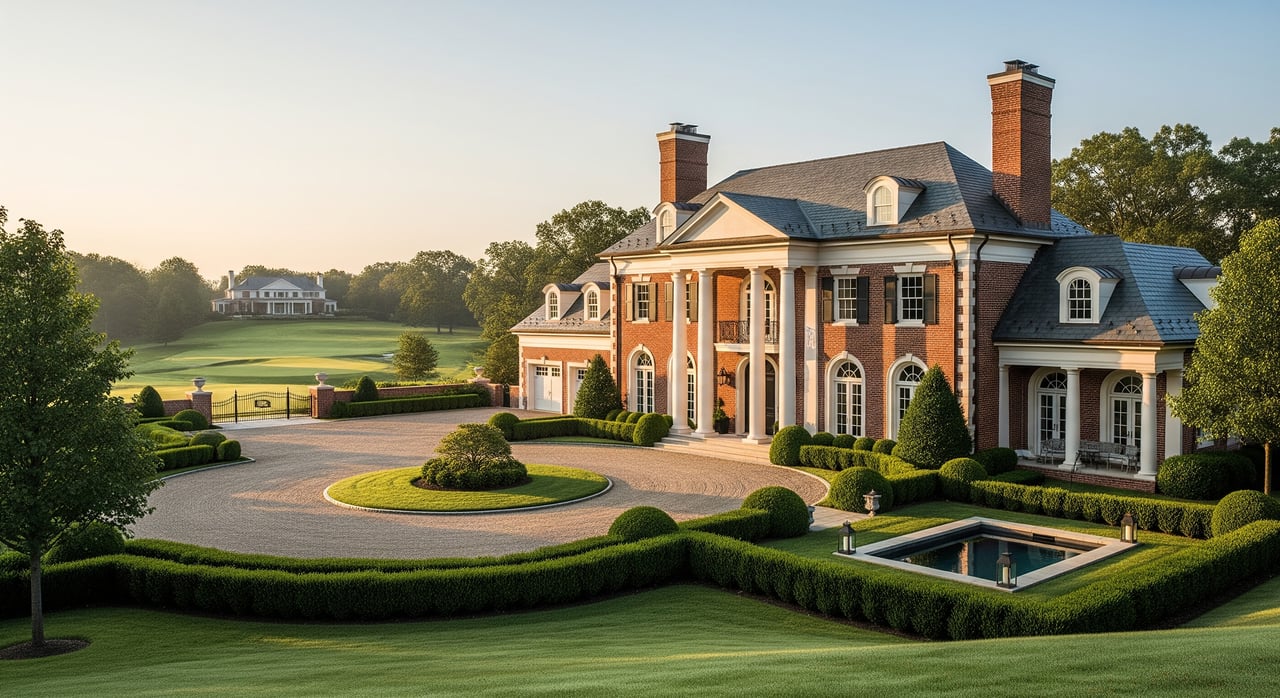
Are you shopping for a home in Piedmont Country Club and wondering if your mortgage will be conforming or jumbo? You are not alone. Many move‑up buyers in 20169 bump up against loan limits as they look at larger homes on or near the course. In this guide, you will learn how conforming limits work in Prince William County, what changes when you cross into jumbo financing, and how golf‑course appraisals and HOA details can affect your loan. Let’s dive in.
Conforming limits in Prince William County
The Federal Housing Finance Agency (FHFA) sets annual conforming loan limits that determine the maximum mortgage amount Fannie Mae and Freddie Mac will buy. These limits are set by county and update each year. Areas marked as high‑cost can have higher limits.
A mortgage at or below the county limit is conforming. Any mortgage amount above that number is considered a jumbo (non‑conforming) loan. As a recent historical reference, the 2024 single‑family baseline limit was 766,550. Because limits change each year and can vary by county and unit count, verify the current number for Prince William County using the official FHFA conforming loan limits lookup before you set your budget.
When your loan becomes jumbo
If your loan amount exceeds the current conforming limit for Prince William County, you cross into jumbo territory. This often happens for buyers targeting larger homes, premium lots, or recent renovations in Piedmont Country Club. Knowing where that threshold sits today helps you plan down payment, reserves, and documentation.
If you are near the line, ask your lender to model both paths. A slightly higher down payment that keeps your loan at or below the conforming cap may simplify underwriting. If your search points clearly above the limit, plan for jumbo requirements from the start.
How underwriting changes with jumbo
Jumbo financing brings different rules. Here is what typically changes compared with conforming:
- Pricing and rates. Jumbo rates are set by individual lenders because Fannie and Freddie do not purchase these loans. Rates can be slightly higher or similar to conforming depending on the market and your profile. Shop several lenders.
- Credit score. Conforming options can allow lower scores than many jumbo programs. Jumbos often prefer 700+ credit scores, though some programs allow lower with strong compensating factors.
- Down payment and LTV. Conforming loans may allow as little as 3% down for eligible buyers, with PMI over 80% loan‑to‑value. Many jumbo programs expect 20% down, though select lenders offer 80–90% LTV with tighter credit and reserve rules.
- Debt‑to‑income and reserves. Jumbos often cap debt‑to‑income ratios lower and require more cash reserves, commonly 6–12 months of full housing payments.
- Documentation. Expect more income and asset documentation. Lenders may apply overlays that go beyond standard agency guidelines.
If you are considering mortgage insurance, review the CFPB guide to private mortgage insurance to understand how PMI works on conforming loans. For jumbos, mortgage insurance is less standardized and varies by lender.
VA, FHA, and USDA considerations
Government‑backed loans follow their own rules. For eligible veterans with full entitlement, VA policy removed county loan caps in recent years, though lenders can still apply overlays or require down payments on very large loans. If you are a veteran buyer, ask lenders about VA jumbo‑sized options and entitlement. Start with the VA home loan benefit overview.
FHA and USDA have separate limits and eligibility rules. USDA is designed for eligible rural areas, which may be limited in Prince William County. If your price point is in Piedmont Country Club, these programs may not fit, but confirm with a lender.
Appraisals in golf‑course communities
Piedmont Country Club homes can be hard to value because they offer unique features and views. Appraisers will try to use recent sales inside Piedmont or very similar nearby gated golf communities. If comparable sales are limited, the appraisal process can take longer and may come in lower than the contract price.
Key valuation factors you should expect:
- Views and lot location. Fairway and water views can command premiums, but adjustments are subjective if comps lack identical views. Proximity to maintenance areas or cart paths can reduce value.
- Custom upgrades and floor plans. High‑end finishes, additions, and lot contours can make comps tricky. Appraisers will adjust based on the best available data.
- Course and community condition. The condition and financial health of the course and HOA can influence both marketability and appraiser adjustments.
If an appraisal comes in short, your lender may require a higher down payment to maintain the required loan‑to‑value. Build room in your plan for that possibility when bidding on a premium lot or extensively upgraded home.
HOA, assessments, and title issues to review
Country‑club communities often have more complex HOA frameworks. Lenders look closely at:
- HOA fees and budget health. Your lender may review reserves, budget, and any pending special assessments tied to course repairs or capital projects.
- Rules and litigation. Pending litigation or major projects can affect marketability and future costs.
- Easements and private roads. Golf‑course easements, shared drives, and private road agreements need to be clear for title and underwriting.
- Utilities and environmental items. Most homes in Prince William County are on public utilities, but verify. If a property lies near floodplains or wetlands, you may need flood insurance. Use the FEMA Flood Map Service Center to check risk zones.
Ask for HOA financials and recent assessment history early in your process so your lender and title company can review them without delay.
Your pre‑approval game plan
Get a full pre‑approval before you tour serious contenders. If you are near the county limit, ask lenders to:
- Confirm today’s FHFA conforming limit for Prince William County and show whether your target price would trigger a jumbo.
- Price both scenarios. Request side‑by‑side rates, down payment options, and reserve requirements for conforming and jumbo paths.
- Outline documentation. Know which income and asset documents you will need so you can move fast on an offer.
Also ask your agent to pull recent Piedmont sales data, HOA financials, and any recent special assessments so you can understand the full monthly and upfront costs.
Budget and timeline checklist
Plan for the following if your search points toward a jumbo loan:
- Larger down payment. Many jumbos expect 10–20% or more.
- Higher reserves. Plan for 6–12 months of principal, interest, taxes, and insurance.
- Closing costs and appraisal fees. Unique properties may require higher‑cost appraisals.
- PMI vs. alternatives. If you choose a conforming loan above 80% LTV, include PMI in your monthly budget. For jumbos, ask lenders about any mortgage insurance options or lender‑paid alternatives.
On timing, appraisal‑related delays are more common with unique homes. Keep your appraisal contingency flexible and discuss back‑up strategies in case of a value shortfall, such as increasing your down payment or negotiating concessions.
Communication checklist for your team
- Lender. Confirm the current county limit, loan type on your pre‑approval letter, reserves, and underwriting overlays.
- Agent. Gather HOA documents, recent sales in Piedmont, and any notes on course ownership and assessments.
- Appraiser. Ask your lender to assign an appraiser with experience in luxury and golf‑course properties when possible.
- Title and insurance. Confirm easements, private road agreements, and any flood insurance needs.
How to think about thresholds
Use today’s county limit as your anchor. If the conforming limit is X, a purchase that produces a loan amount above X shifts you into jumbo underwriting. For some buyers in Piedmont, a modest increase in down payment can keep the loan conforming. For others targeting premium lots or larger floor plans, jumbo terms will set the pace.
Label any example numbers in your notes with the month and year, and re‑check the actual county limit using the FHFA conforming loan limits lookup before you submit an offer.
Ready to tailor a plan to your budget and the specific home you want in Piedmont Country Club? Let’s walk through your lending options, appraisal strategy, and HOA review together. Reach out to Shannon Sheahan to schedule a consultation.
FAQs
In Piedmont Country Club, will a jumbo loan always have a higher rate than a conforming loan?
- Not always. Jumbo rates can be higher or similar depending on the lender, market, and your profile, which is why you should compare multiple lenders.
Do jumbo loans in Prince William County require larger down payments?
- Often yes. Many jumbo programs expect around 20% down, although some lenders offer higher LTV options with stronger credit and higher cash reserves.
How do appraisals for golf‑course homes in 20169 differ from typical suburban homes?
- Appraisers rely on sales within similar golf communities and adjust for views, lot position, and course condition. Limited comps can increase the chance of an appraisal shortfall.
Can an eligible veteran in Haymarket avoid jumbo rules by using a VA loan?
- VA rules for borrowers with full entitlement removed county loan caps, but lenders may apply overlays or require down payments for large loan amounts. Ask lenders to price VA alongside conventional.
What HOA items should a Piedmont Country Club buyer verify before finalizing financing?
- Review the HOA budget and reserves, any pending or recent special assessments, rules that affect operating costs, and any litigation or large capital projects that could impact your monthly expenses.
